essays
“Beauty of music you must hear twice”
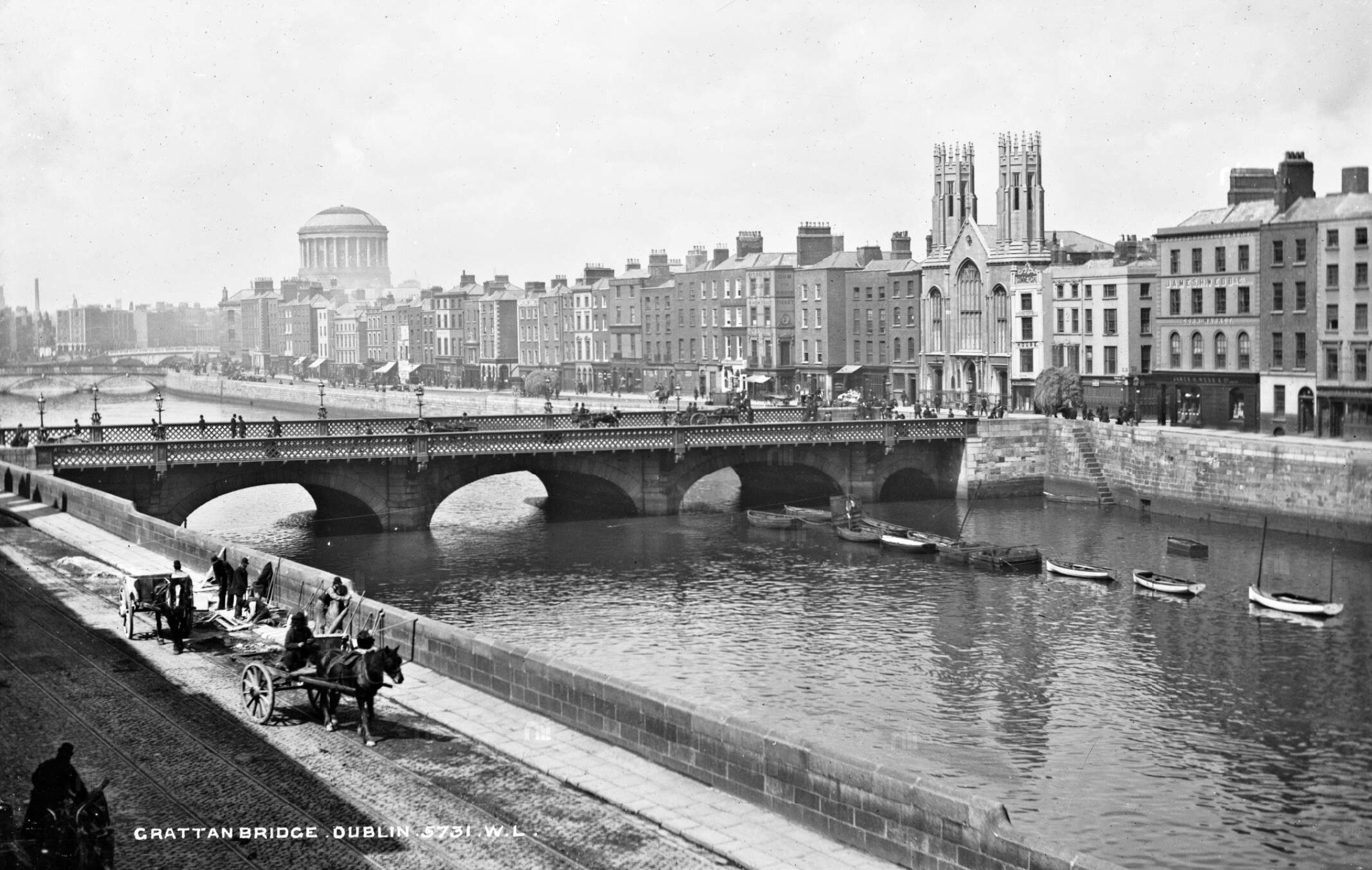
This thesis (submitted in partial fulfillment of the requirements for the MA Program) focused on the “Sirens” episode of James Joyce’s Ulysses, where Joyce experiments with language, fracturing sentences into musical fragments. In this crucial episode, Leopold Bloom sits in a bar, thinking about the past and questioning the state of his marriage. I decoded and explicated Bloom’s compressed, allusive thoughts throughout the episode.
photo: Grattan Bridge, Dublin (between ca. 1865 to 1914), Robert French.
“the unfathomable sea”
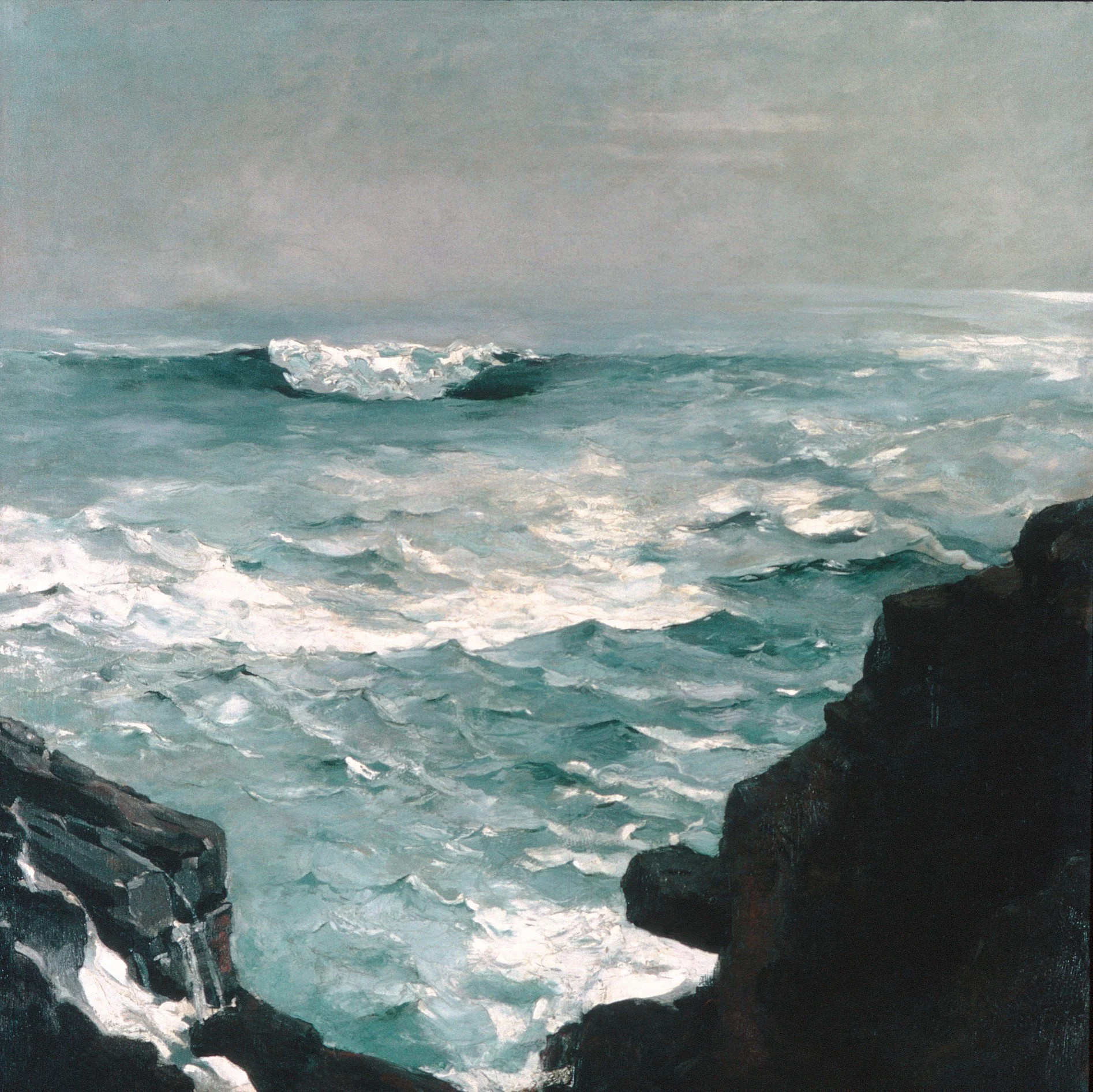
For my senior thesis, I read through Woolf’s major novels, essays, diaries, and letters to better understand how she approached the writing process. I chose to write on her later novel, The Waves, considering the six dramatic soliloquies that compose the novel and analyzing the closing monologue of Bernard, the aspiring writer who shares Woolf’s “shock-receiving capacity.”
painting: Cannon Rock (1895), Winslow Homer.
(in)visible stories
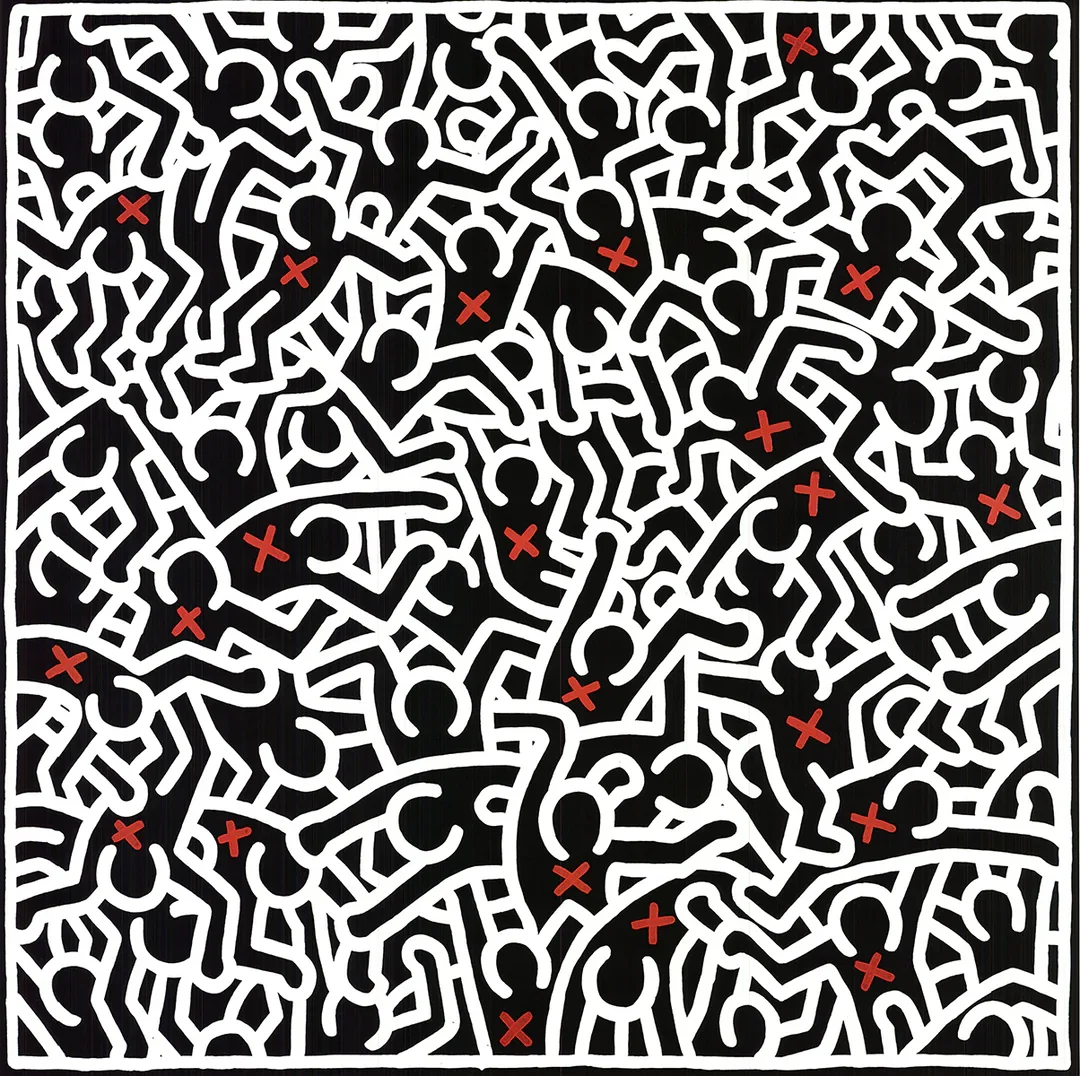
A reading of Ralph Ellison’s Invisible Man through its recurring “plunges,” descents that strip the narrator of status and pull him outside dominant historical narratives. The essay draws on Dante, Richard Wright, and Christina Sharpe to argue that writing, more than physical violence, is the novel’s most powerful form of resistance.
lithograph: Untitled (April 1985), Keith Haring.
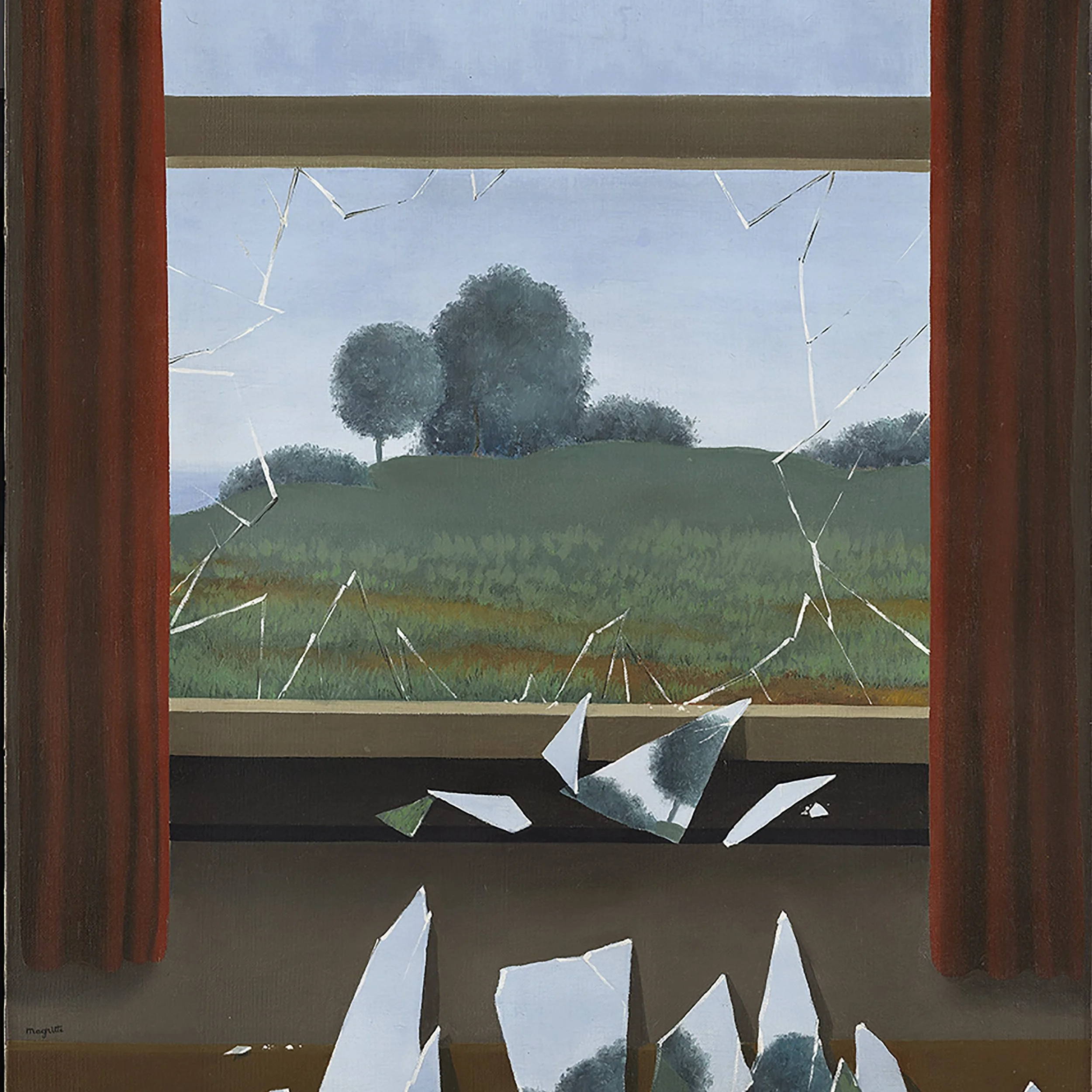
The Forgotten Country
An analysis of George Orwell’s 1984 which draws on T.S. Eliot’s The Waste Land and Modernist ideas of cultural memory. The essay challenges the novel's famously bleak ending, arguing that even after the trials of Room 101, Winston’s humanity has not been fully eradicated.
painting: La Clef des champs (1936), René Magritte.
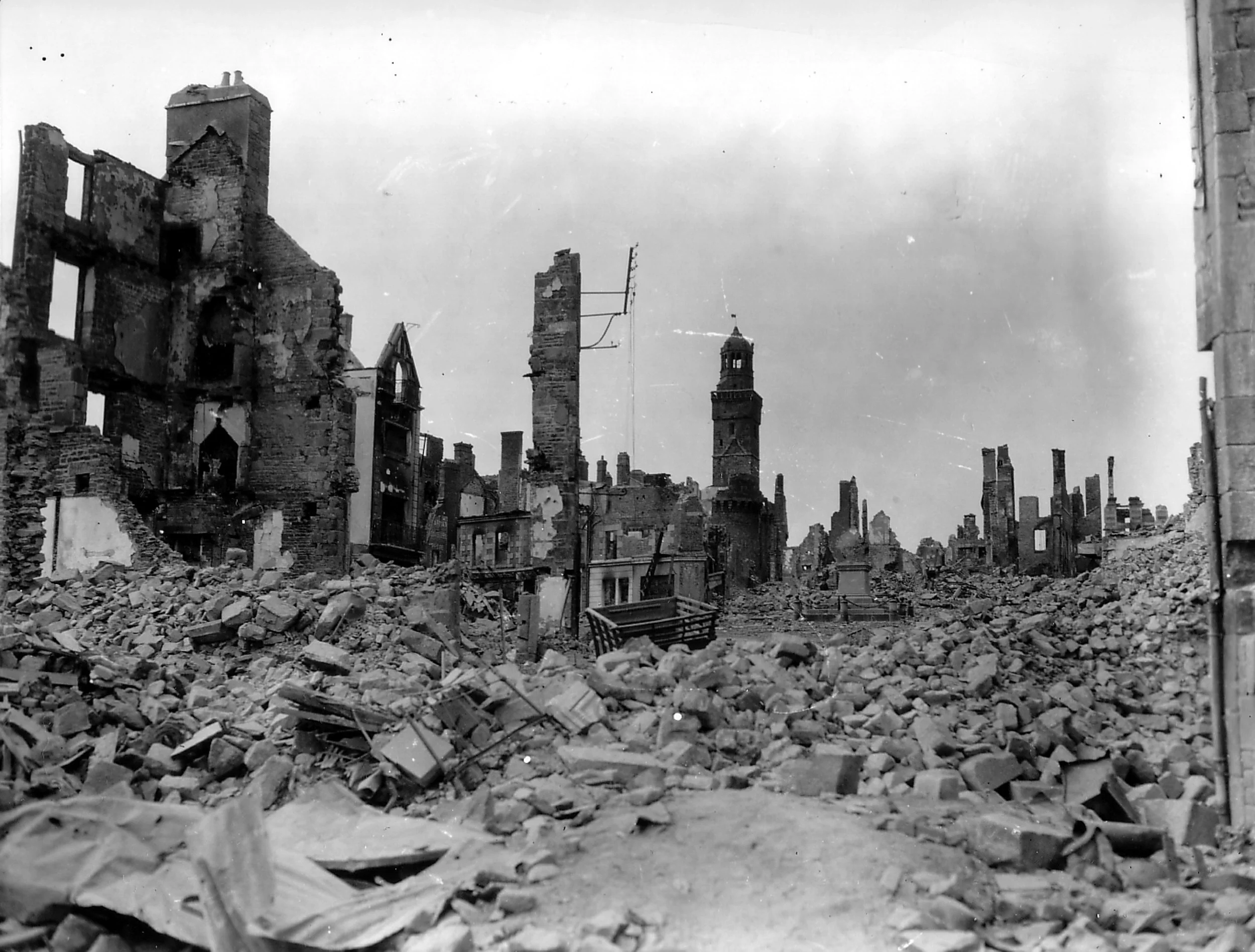
“a world collapsing endlessly”
A reading of Samuel Beckett’s Molloy through the philosophy of Arnold Geulincx, whose ethics of human powerlessness Beckett studied closely. The essay argues that as Molloy loses control of his body and memory, writing becomes his one form of mental freedom.
photo: the ruins of the Hôtel de Ville Square in Vire, August 8, 1944
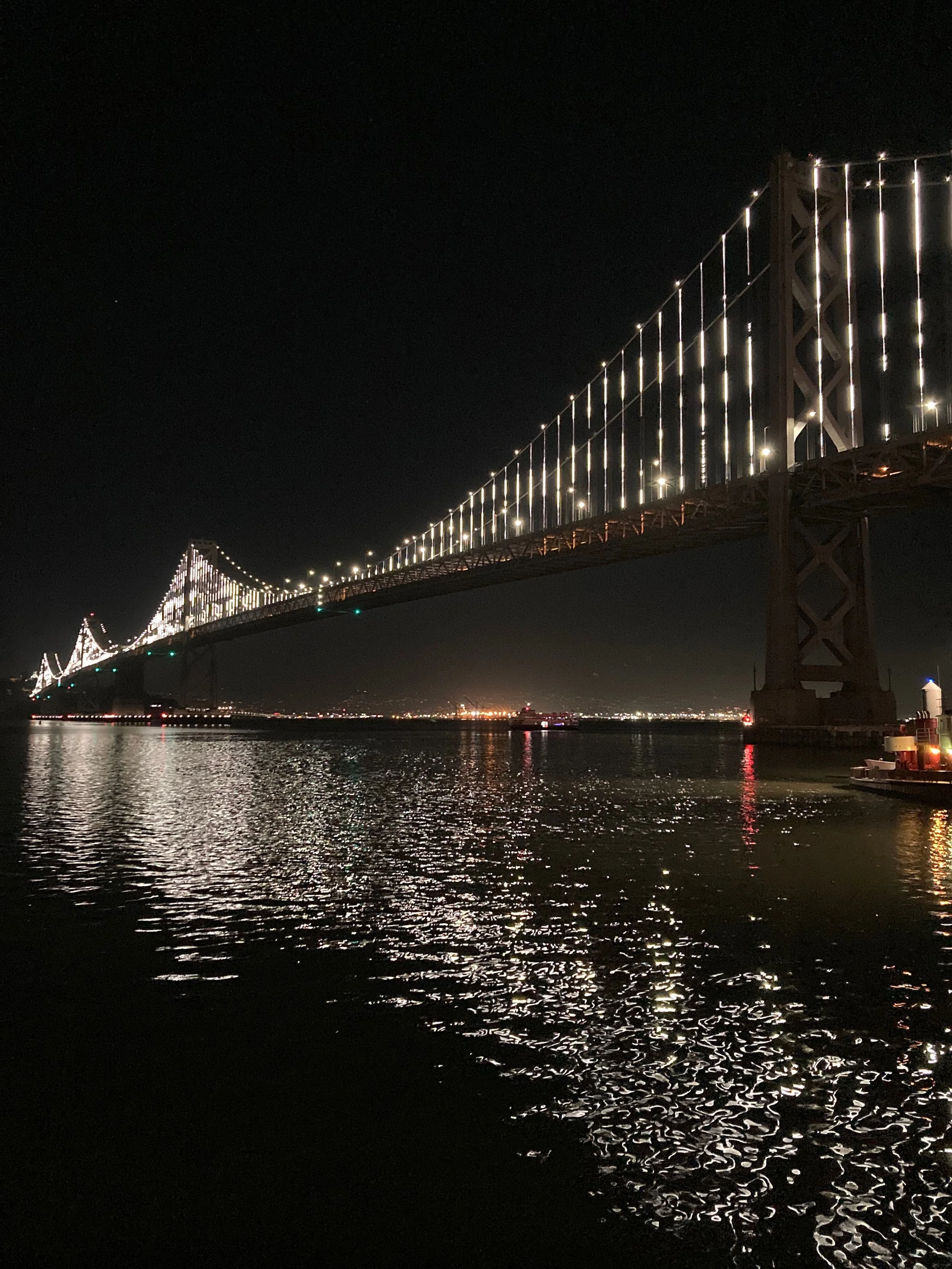
Holderlin’s Poetics of Night
A close reading of Friedrich Hölderlin’s “Bread and Wine,” arguing that night is both a sacred and a dangerous time for the poet. In it, dreaming offers only fleeting refuge from the gods’ absence, while poetry gives humanity the strength to endure.
photo: The Bay Bridge at night, picture taken by myself.
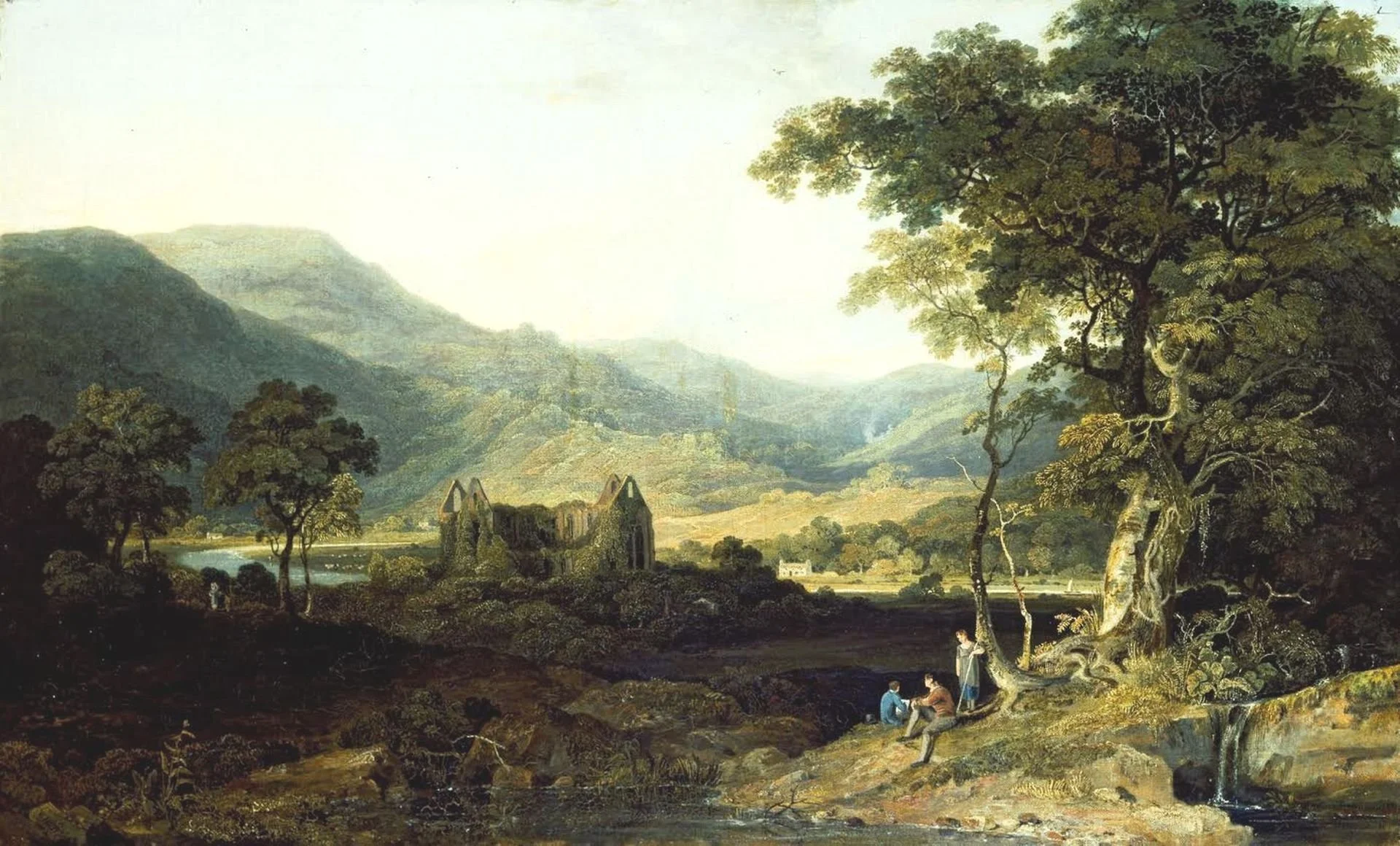
All These Wandering Years
A comparative reading of William Wordsworth’s “Tintern Abbey” and Dorothy Wordsworth’s Grasmere journals, arguing that the poem’s final turn to Dorothy concedes the limits of solitary vision and values shared presence over private memory.
painting: Tintern Abbey (1804), William Havell.